
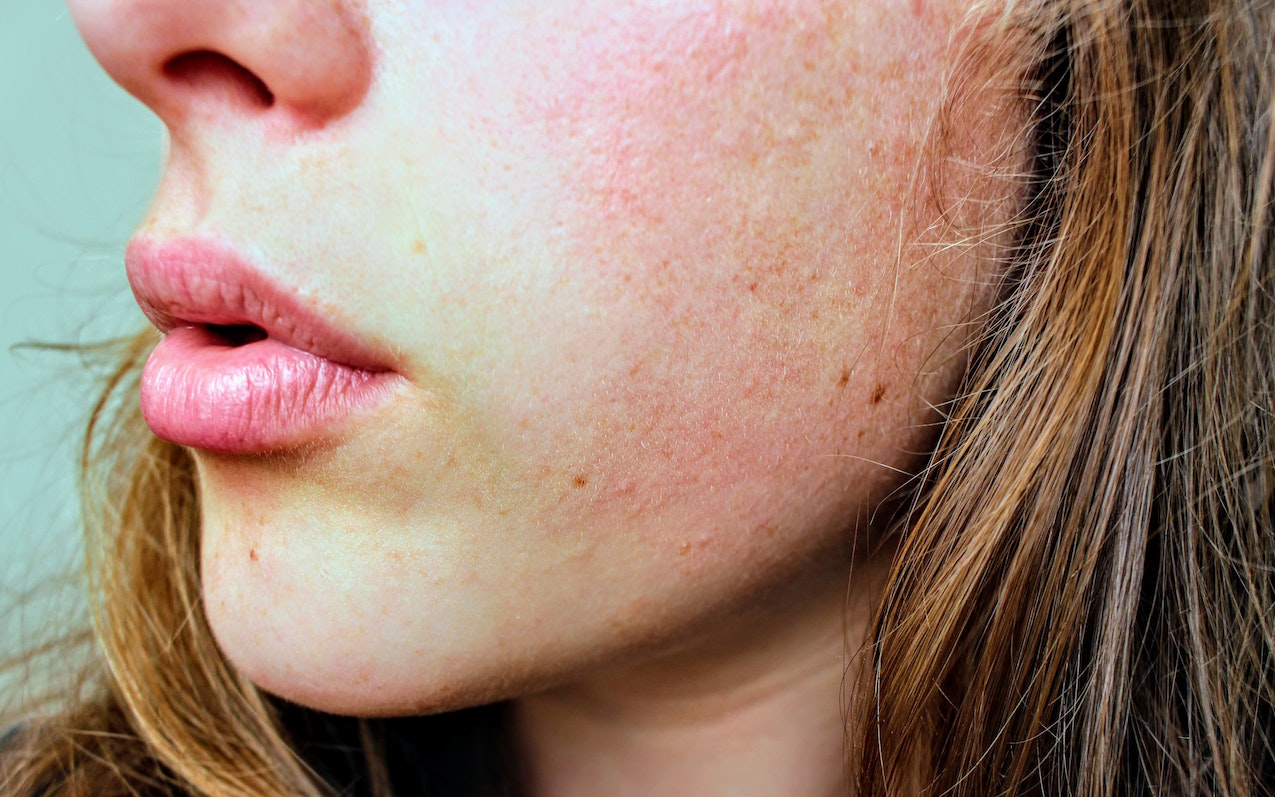
What is rosacea? Rosacea is called acne rosacea and it is a chronic skin ailment that impacts countless Americans every year. Unfortunately, researchers have no idea the causes of rosacea, and there is no cure. However, there are actually treatment procedures to aid with all the symptoms. This disease possibly affects middle-aged or older girls that have pale skin. Now and then?it may be mistaken for acne or other biomechanical problems. Speak with your doctor if you are you may have rosacea so that you can be handed a medical diagnosis and professional expertise.
Within this content we’ll evaluate the four different subtypes of rosacea and also the symptoms of this particular condition. We are going to then examine what treatments are around for help relieve your symptoms. Please note that evidently this article has undergone extensive research, will not buy a new one for your personal doctor’s knowledge. Practical goal a doctor, but been employed by diligently to produce correct and up-to-date information.
Four Forms of Rosacea
There are four different subtypes of rosacea. Visit Medicine Net for additional information pictures concerning each variety, but?don’t forget that images could be graphic for most viewers or audience members.
You could have many subtype at the same time, with each having their own number of symptoms.
- Erythematotelangiectatic rosacea (ETR): This subtype can be of facial redness, flushing, and visual problematic veins.
- Papulopustular rosacea (also referred to as acne rosacea): Often associated with acne-like breakouts (hence, the definition of “acne”), this subtype is much more planning to affect middle-aged or older women.
- Rhinophyma: This disorder might be more rare and happens when the skin thickens about the nose. Unlike the 2nd subtype mentioned, this subtype more likely affects men which is usually occurs together as another subtype of rosacea.
- Ocular rosacea: This subtype tends to show signs across the eye area.
Symptoms
As previous, you could possibly experience different symptoms depending on the subtype. However, the disorder is often distinguished by its overall red, small, and pus-filled bumps onto the skin, which normally occur around the nose, cheeks, and forehead. You are able to experience symptoms for some time (between weeks to months at any given time) and they might go away and return again. This is just what is termed flare-ups.
Let’s look at each subtype and its associated symptoms:
Rosacea ETR
- Redness/flushing (center of the face)
- Visible broken blood vessels
- Sensitive, dry, or burning skin
- Swollen skin
- Red bumps
Acne Rosacea
- Oily, red, or sensitive skin
- Raised patches of skin
- Acne-like breakouts
- Visible broken blood vessels
Rhinophyma (or Thickening Skin Rosacea)
- Thick skin on nose, chin, forehead, cheeks, and/or ears
- Large pores
- Bumpy skin
- Visible broken blood vessels
Ocular Rosacea
- Dry or itchy eyes
- Burning or stinging perspective of eyes
- Bloodshot eyes
- Watery eyes
- Sensitivity to light or diminished vision
- Cysts on eyes
- Visible broken problematic veins (over the eyelids)
Although the signs and symptoms are really a bit similar among each subtype, you can find distinctions to note. Your doctor can more accurately identify the kind of rosacea you may well be experiencing to be able to obtain a better diagnosis.
Treatment
Because it cannot be cured, it?can be tough to get yourself a right treatment selection for you. However, you’ll find steps you can take to help eliminate the symptoms.
Skin care: Taking care of your skin is very important. Use gentle cleansers and oil-free and water-based skincare products. There are many stores or online options for facial creams and moisturizers. Avoid using everything that offers the following ingredients: alcohol, menthol, exfoliating agents, and witch hazel. Things that contain these components can result in more irritation into the skin and can worsen your symptoms.
Antibiotics: Antibiotic creams and antibiotics taken orally may be suggested by the doctor. Designed for ocular rosacea, you can utilize eye medicines or antibiotics.
Keep a journal: Write out what you eat as well as what products you make use of. If you like journaling and have a notebook, note down and keep a record of why are your symptoms worse, perhaps a particular food you have eaten or pure skin care products you might have used. You may as well takes place computer or smartphone to keep in mind what you have owned and ingesting.
Avoid certain foods: Avoid consuming alcohol and eating spicy foods.
Sunlight: Really don’t stay in direct sunlight. Should you be outside direct sunlight, always wear sunscreen.
Microdermabrasion: Microdermabrasion can fix decreasing the thickening on the skin.
Light treatment: Some severe installments of rosacea, lasers and lightweight treatment will help.
Know that you aren’t alone within this. In truth, you’ll find highly successful people with the disease, including Bill Clinton, Diana, Princess of Wales, and W.C. Fields. The decision doctor in case you are concerned or need to know more details on possible treatment plans.
